ACLE Economics Seminar: Guido Tabellini (Bocconi University)
Emotions and Politcal Unrest
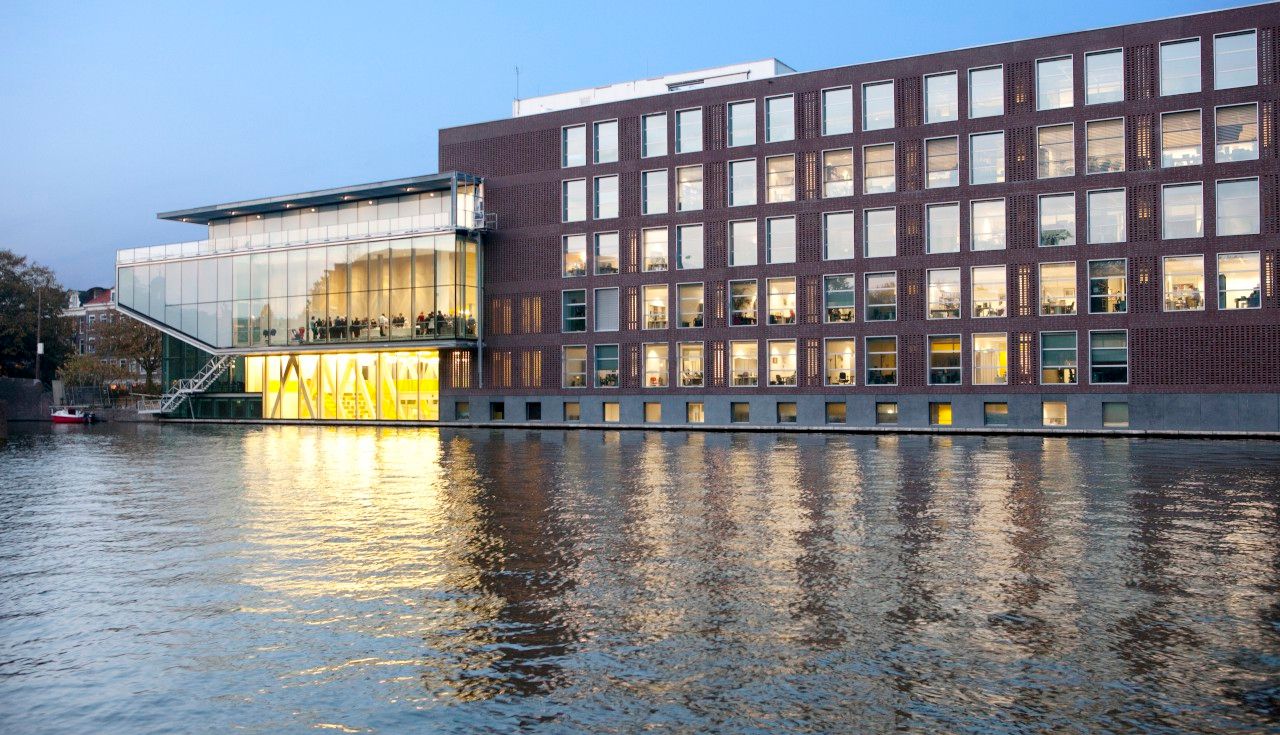
Amsterdam Business School (M-building room: M1.01). Title: "Emotions and Politcal Unrest". Doors open from 12.00, lunch will be served.
Event details from: ACLE Economics Seminar: Guido Tabellini (Bocconi University)
- Date
- 29 April 2014
- Time
- 12:00 – 13:15
This paper formulates a theory of how political unrest influences public policy. Political unrest is motivated by emotions. Individuals engage in protests if they are aggrieved and feel that they have been treated unfairly. This reaction is predictable because individuals have a consistent view of what is fair. This framework yields novel insights about the sources of political influence of different groups in society. Even if the government is benevolent and all groups have access to the same technology for political participation, equilibrium policy can be distorted. Individuals form their view of what is fair taking into account the current state of the world. If the government is more constrained, individuals accept a lower level of welfare. This resignation effect in turn induces a benevolent government to procrastinate unpleasant policy choices. These theoretical implications are consistent with aggregate evidence on the determinants of political unrest.